In today’s digital age, social media has become an integral part of our lives. Platforms like Instagram, Twitter, and Facebook play a crucial role in how we communicate, socialize, and stay updated. However, despite their many benefits, social media also comes with a hidden downside: anxiety. If you've ever found yourself compulsively checking your phone, refreshing your feed, or feeling uneasy after scrolling through posts, you're not alone. This phenomenon, known as "social media anxiety," is increasingly common and affects millions of users worldwide, especially among younger people in Western countries.
Understanding Social Media Anxiety
Social media anxiety refers to the stress or discomfort that arises from using social media platforms. It can manifest in various ways, such as the fear of missing out (FOMO), constant comparison with others, or the pressure to maintain a certain online image. The root cause of this anxiety is often linked to how social media platforms are designed to capture and hold our attention.
These platforms use algorithms to recommend content, often providing instant gratification through likes, comments, and shares. While this design can be fun and engaging, it also creates a cycle where users feel compelled to keep checking for updates, even when they don’t want to.
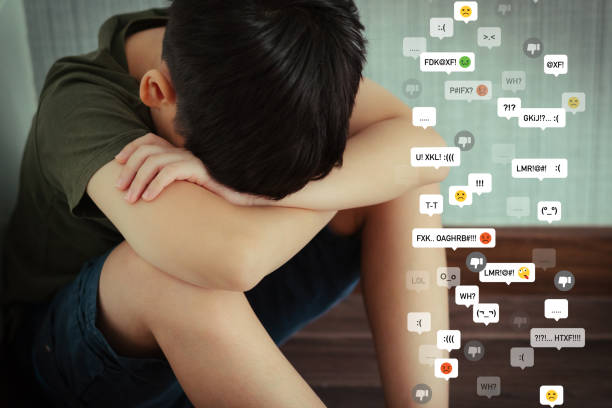
According to a 2025 report from the Pew Research Center, nearly half (about 48%) of U.S. teenagers believe that social media has a predominantly negative impact on their peers, a significant increase from 32% in 2022. This report highlights that while not all teenagers directly feel the negative effects of social media on themselves, the perception that it negatively affects most of their peers has become more widespread.
Additionally, the report reveals that 44% of parents view social media as one of the biggest factors negatively impacting teenagers' mental health. These findings reflect the growing concern about social media's influence on youth, particularly regarding anxiety, self-esteem, and mental health.
The Role of Validation in Social Media Anxiety
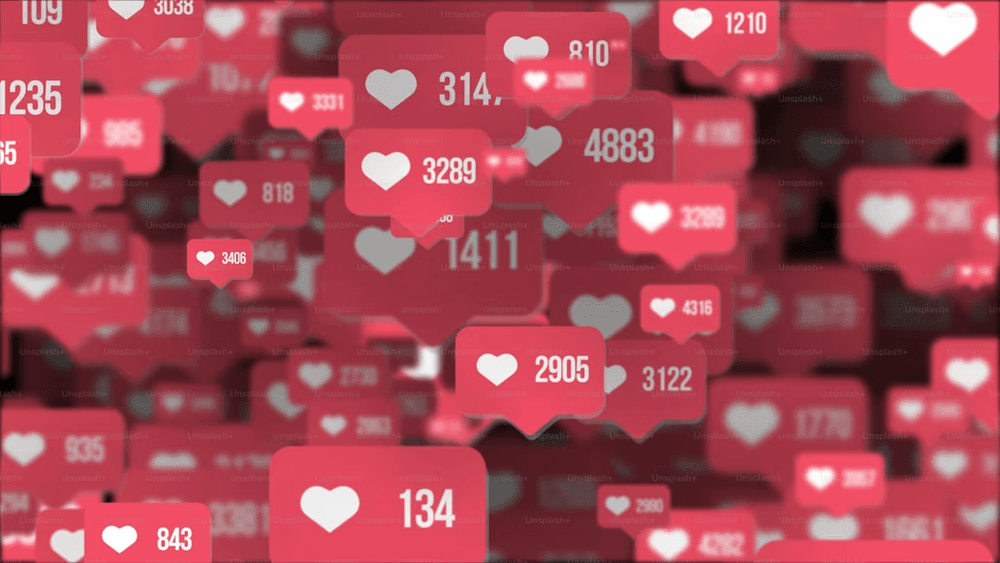
One of the biggest drivers of social media anxiety is the need for external validation. Every "like" or "comment" on a post triggers a small burst of dopamine, which makes us feel good. However, this instant reward can also lead to an unhealthy reliance on social media to feel accepted or appreciated.
In the U.S. and Europe, Instagram is a primary source of anxiety, where users constantly compare themselves to others. In the UK, the impact of social media anxiety has begun to attract the attention of both the government and mental health organizations. A study by the Mental Health Foundation in the UK found that approximately 40% of young adults aged 18 to 24 feel that social media increases their anxiety and stress levels.
Why Do We Keep Checking?
Despite the negative effects, we often can’t stop checking social media. This is due to a combination of habit, addiction, and design. Social media platforms are built to keep us engaged, making it hard to break free. The algorithms ensure we never run out of content, and the fear of missing out (FOMO) drives us to check constantly. This continuous engagement feeds into the anxiety, creating a cycle that’s hard to escape.
The Impact on Mental Health
Prolonged exposure to social media can have serious consequences for mental health. Research has shown that excessive social media use is linked to higher levels of anxiety, depression, and loneliness. According to a study by the American Psychological Association, 61% of teens in the U.S. report feeling anxious or depressed due to excessive social media use, especially when scrolling late at night.
Moreover, social media’s emphasis on perfectionism can make us feel like our lives are less exciting or fulfilling than others.
How Can We Manage Social Media Anxiety?
- Set Boundaries: One of the most effective ways to reduce social media anxiety is to set limits on how much time you spend on these platforms each day. Try designating specific times to check your accounts or set daily usage limits. Many social media apps now offer built-in features to help you manage your screen time.
- Turn Off Notifications: Constant notifications create an urgency to check your phone, even when you don’t want to. Turning off non-essential notifications can help you regain control over your social media usage and reduce the pressure to respond immediately.
- Take Digital Detoxes: Taking breaks from social media is essential for mental well-being. Whether it’s for a few hours, a day, or even a week, disconnecting from the online world can help you recharge and refocus.
- Shift Your Mindset: Instead of focusing on the number of likes or comments you receive, try shifting your mindset to enjoy social media for what it is— a tool for connection and entertainment. Don’t let the pursuit of validation dictate your self-worth.
Conclusion
Social media anxiety is real, but it doesn’t have to control your life. By understanding its causes, setting boundaries, and using helpful tools in moderation, you can regain control over your online habits. Social media should be a tool for connection, not a source of stress. Embrace a balanced approach and remember that your worth is not determined by your online presence.
FAQ
1. What is social media anxiety?
Social media anxiety refers to the stress or discomfort that arises from using social media. It often manifests as fear of missing out (FOMO), constant comparison with others, or anxiety caused by the pressure to maintain a certain online image. Social media platforms, with their constant updates and instant feedback mechanisms, often make users feel the need to stay connected, which amplifies anxiety.
2. What impact does social media anxiety have on mental health?
Prolonged exposure to social media is strongly linked to higher levels of anxiety, depression, and loneliness. This is particularly true for teenagers and young adults, as excessive social media use can affect their sense of self and emotional stability. The portrayal of perfect lives on social media can make users feel inadequate, leading to self-doubt and anxiety.
3. How can I reduce social media use to alleviate anxiety?
You can reduce social media use and alleviate anxiety by setting time limits for your usage, turning off non-essential notifications, and taking regular digital detoxes. It’s important to establish clear boundaries to avoid being endlessly drawn into social media, thus reducing its emotional impact.
4. How can I manage the feeling of FOMO (Fear of Missing Out) associated with social media anxiety?
FOMO is a common cause of social media anxiety. To manage FOMO, try to develop healthy social media habits, such as limiting the time spent checking updates each day, avoiding excessive social media use in the evening, and learning to step away from endless engagement. These practices can help reduce the fear of missing important information.
5. How can I maintain a healthy mindset while using social media?
The key to maintaining a healthy social media mindset is to view it as a tool, not as a measure of your self-worth. Don’t rely too heavily on "likes" or "comments" for validation. Focus on enjoying the positive aspects of social media—such as connection and entertainment—rather than external approval.